Article
Portugal Homes
Get the best property advice.
Portugal is facing a paradox that increasingly defines its real estate market. On the one hand, the country is experiencing a well-documented housing shortage, particularly in major urban centres such as Lisbon and Porto. On the other, there are over 700,000 empty and vacant houses across Portugal, with more than 150,000 located in the Lisbon metropolitan area alone.
This imbalance between unused housing stock and growing demand presents a complex challenge for policymakers, residents, and investors alike. Yet, it also reveals a significant opportunity: the rehabilitation and repurposing of vacant properties as a long-term solution to housing pressure and a compelling investment strategy.
January 2026 Update: New OECD Recommendations for Vacant Houses in Portugal
An OECD report released in January 2026 highlights the need for stronger fiscal and regulatory measures to address underutilisation of housing in Portugal and encourage the mobilisation of vacant homes. The report notes that Portugal actually has the third-largest housing stock of the countries surveyed, with 573.7 dwellings per 1000 inhabitants, but this stock is used inefficiently. Portugal ranks first in terms of number of houses that are not primary residences, with 12% of homes in the country entirely vacant and 19% used only as holiday homes.
The OECD suggests increasing property taxes or penalties on empty homes, especially in high-demand urban areas, to disincentivise vacancy and boost available housing supply.
The organisation also emphasises improved monitoring and registration of vacant properties, noting that current policies underutilise existing tools designed to track and tax unused housing, citing the fact that municipalities in 2023 identified just 12,000 empty houses across the country while the National Census, two years earlier, had found 700,000.
Understanding the Scale of Empty and Vacant Houses in Portugal
Vacant houses exist throughout Portugal, with at least 12.1% of homes across the country standing empty according to the National Institute of Statistics (INE), though their concentration varies widely depending on region, population density, and economic conditions.
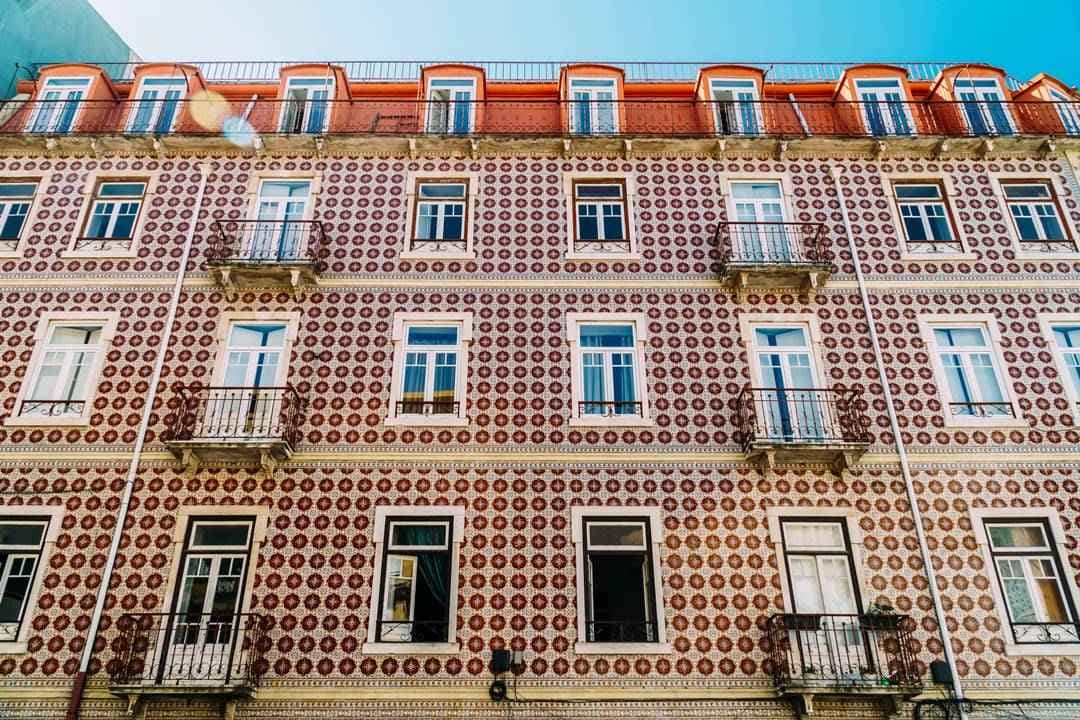
Urban centres such as Lisbon and Porto contain large numbers of vacant properties, often in historic neighbourhoods where ageing buildings require rehabilitation. Rural and interior regions also experience high vacancy rates, largely driven by population decline and outward migration.
The existence of such a vast number of unused homes is not simply a statistical anomaly. It reflects decades of demographic change, economic cycles, urban development patterns, and legal complexities that have shaped Portugal’s housing landscape.
Portugal’s Housing Market: Rising Prices, Limited Supply
Portugal’s housing crisis is not the result of excessive demand alone, but of structural undersupply.
According to Eurostat, housing prices in Portugal have increased by more than 80 per cent over the past twelve years, significantly outpacing the European Union average. Since 2018, the imbalance has become even more pronounced, with only one new home built for every ten properties sold.
This shortage has placed pressure on both local residents and international buyers, driving prices upward while limiting available housing options. Ironically, this is occurring in parallel with the persistence of hundreds of thousands of empty or underutilised homes.
.jpg&w=3840&q=75)
Why Are So Many Homes Empty or Vacant in Portugal?
The reasons behind Portugal’s high vacancy rates are varied and interconnected.
Population migration has played a major role, with residents moving from rural areas to cities or emigrating abroad, leaving properties behind. Portugal’s ageing population has also contributed, as older homeowners move into care facilities or pass away, often leaving properties tied up in inheritance or legal disputes for extended periods.
Economic instability, periods of high unemployment, and financial crises have historically reduced housing demand in certain regions, leading to long-term vacancies. In addition, second homes and seasonal residences, particularly in tourist-heavy areas such as Lisbon and coastal regions, remain unoccupied for much of the year.
Urban renewal projects can also contribute to temporary vacancy, as buildings are emptied ahead of redevelopment. When rehabilitation does not follow promptly, properties may remain vacant for years, deteriorating over time and becoming safety concerns.
The Social and Economic Impact of Vacant Properties
Empty and vacant houses represent more than unused buildings. They are wasted economic resources that can negatively affect neighbourhoods and cities.
Derelict properties can reduce the attractiveness of an area, discourage local business activity, and increase maintenance and safety risks. At the same time, they place additional strain on the active housing stock, exacerbating affordability issues.
From a broader perspective, underutilised housing undermines economic growth potential, limits job creation, and slows urban revitalisation.
Government Policy, Investment and Housing Initiatives
Addressing the issue of empty and vacant houses requires a coordinated approach involving urban planning, housing policy, and private investment.
Historically, foreign and domestic investment has played an important role in reactivating vacant properties, particularly in urban rehabilitation areas. While Portugal’s housing policy has evolved in recent years, investment-driven renovation has consistently contributed to increasing the usable housing stock and revitalising neglected neighbourhoods.
It is important to clarify that real estate investment is no longer a qualifying route for Portuguese residency visas, including the Golden Visa. However, this does not diminish the value of property investment itself. On the contrary, it reinforces the idea that real estate should be approached as a standalone, fundamentals-driven investment, rather than a visa-linked product.
Vacant Properties as a Strategic Real Estate Investment
Empty and vacant houses represent a unique opportunity for investors willing to focus on rehabilitation and long-term value creation.
Renovating underused properties can:
Increase housing supply in high-demand areas;
Revitalise neighbourhoods and improve urban aesthetics;
Generate employment across construction and related industries;
Deliver strong returns through rental income or resale.
Vacant properties also offer flexibility of use, allowing investors to adapt projects to residential, mixed-use, or commercial purposes depending on market needs and regulatory frameworks.
Cities such as Lisbon and Porto remain particularly attractive, given their international appeal, strong rental demand, and limited availability of new construction.
A Sustainable Future for Portugal’s Real Estate Market
Portugal’s real estate market is undergoing a period of transformation, with increasing emphasis on sustainability, rehabilitation, and responsible investment.
Reactivating empty and vacant houses offers a path towards:
Expanding housing availability;
Supporting economic growth;
Preserving architectural heritage;
Creating more liveable cities.
For investors, this represents an opportunity to align financial returns with positive social impact.
Conclusion: Opportunity Within Challenge
Empty and vacant houses remain one of Portugal’s most pressing housing challenges, but also one of its greatest untapped opportunities.
With the right expertise, strategy, and professional support, these properties can be transformed into valuable homes, thriving businesses, and sustainable investments. While real estate is no longer a pathway to residency visas, it remains a cornerstone of Portugal’s investment appeal.
If you are considering investing in Portuguese real estate, exploring the D2 or Golden Visa routes, or seeking expert guidance on property rehabilitation, Portugal Homes is your trusted partner.
Speak with Portugal Homes today to discover how vacant properties can become the foundation of your next successful investment in Portugal, or explore our many properties available for sale.



Talk to one of our Real Estate Experts
Portugal Homes
Get the best property advice.