Article
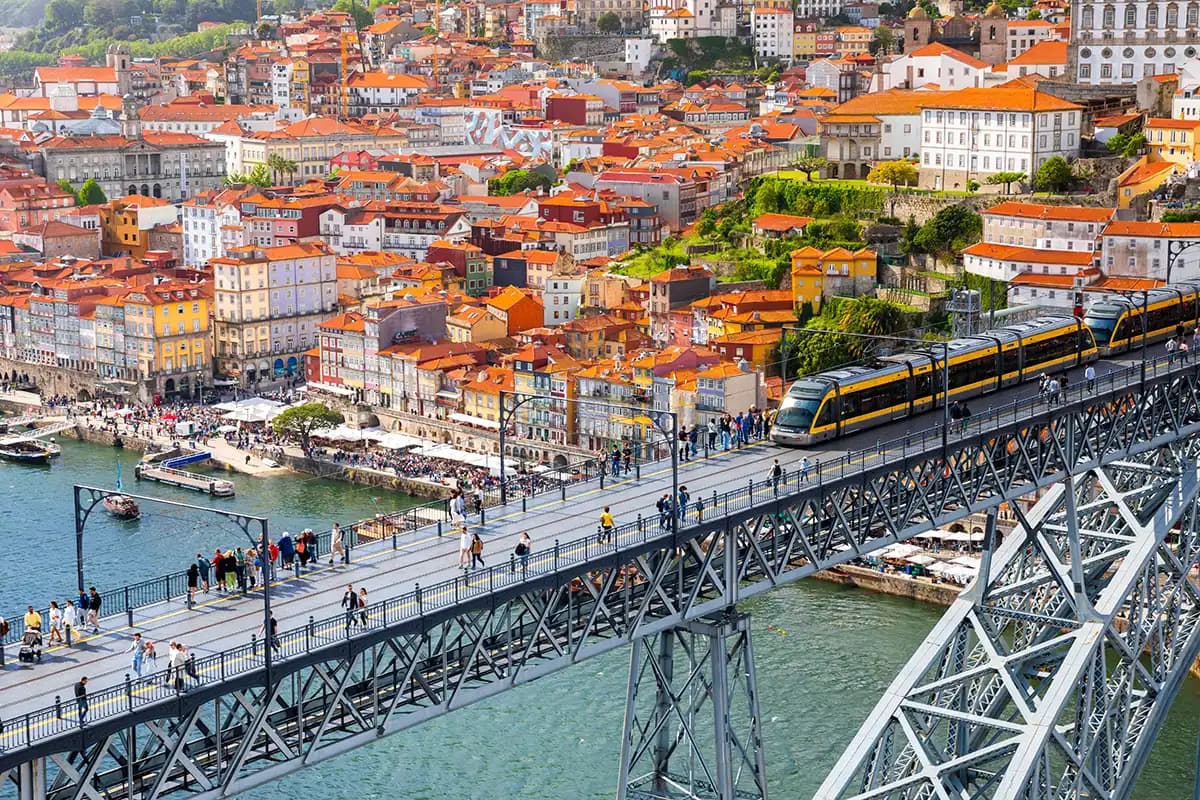
Portugal Homes
Get the best property advice.
Often referred to as Cidade Invicta or as the “Invincible City”, Porto earned its title through centuries of resilience, independence and quiet defiance.
That same character still defines the city today, not in grand gestures but in the way it moves, builds community and resists becoming something it is not.
Once known primarily for its wine cellars and historic riverfront, Porto has quietly become one of Portugal’s most appealing cities to live in.
While deeply rooted in tradition, the city has evolved to meet the needs of a growing international population, offering a high quality of life without the intensity or pace of larger European cities.
It's slower than Lisbon, more affordable in many aspects, and yet still culturally rich, well-connected and undeniably vibrant.
The city offers a balance that many people actively seek when moving abroad: authenticity without isolation and tradition without stagnation.
This guide explores what daily life in Porto looks like, from neighbourhoods and living costs to healthcare, education and property.
Is Porto a Good Place to Live?
Yes, Porto is widely considered a great place to live.
In recent years, Porto has seen a steady increase in international residents, drawn not by hype but by the city’s ability to offer a sustainable way of living.
Unlike larger cities that often feel fast, crowded, or transient, Porto appeals to those seeking long-term balance rather than short-term excitement.
One of the city’s strongest draws is its quality of life. Shorter commutes, walkable neighbourhoods and a slower daily rhythm allow residents to reclaim time, a factor that has become increasingly important for professionals, families and retirees alike.
Life in Porto tends to feel manageable, with fewer compromises between work, leisure and wellbeing.
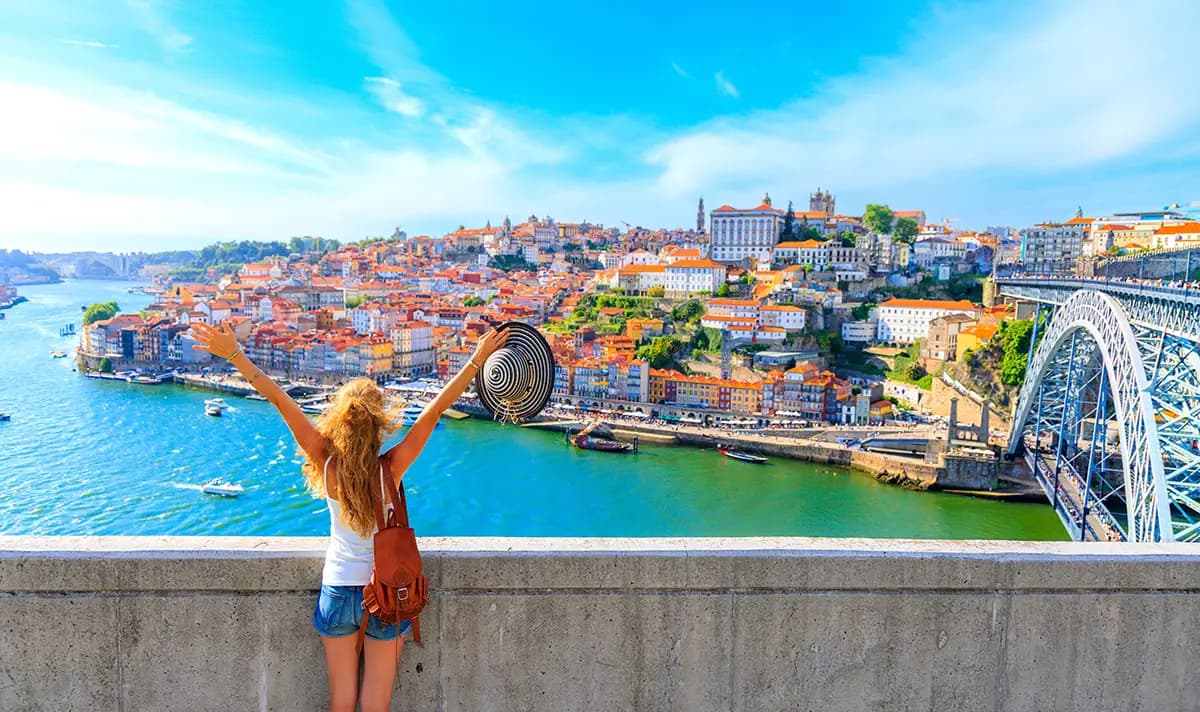
Affordability also plays a role. While prices have risen, the overall cost of living in Porto remains competitive when compared to many European cities, particularly in housing, dining and everyday expenses. For remote workers or those relocating with foreign income, this balance of cost and comfort is especially appealing.
Culturally, Porto offers depth without overwhelm. The city retains a strong sense of identity, with traditions, local commerce and community life still firmly in place.
At the same time, it has become more internationally oriented, with improved infrastructure, growing expat communities and increased access to international services, including education and healthcare.
For many expats, Porto’s appeal lies not in reinvention, but in continuity.
It’s a city where life feels lived-in, rather than staged.
Is Porto a Safe City to Live in?
Yes, Porto is widely regarded as a safe city, both by residents and international visitors.
Violent crimes rates are low, and most neighbourhoods feel comfortable to navigate at any time of day.
As with any urban area, common-sense precautions apply, particularly in tourist zones, but overall Porto offers a strong sense of security.
This is one of the reasons it is often chosen by families, retirees and solo movers alike.

What are the Best Neighbourhoods to Live in Porto?
Porto’s neighbourhoods each have their own rhythm and character, making it important to choose an area that aligns with your lifestyle.
Foz do Douro
Located along the coast, Foz is one of Porto’s most sought-after residential areas.
Known for its seaside promenades, green spaces and higher end housing, it is particularly popular with families and professionals seeking a quieter lifestyle without leaving the city.
The area is home to several international schools, quality restaurants and cafés, and offers easy access to both the coastline and city centre.
Property prices in Foz tend to be higher, reflecting its location and demand, but many residents consider the quality of life worth the investment.

Boavista
Boavista is a well-established and well-connected area that combines residential comfort with strong infrastructure.
It’s home to business centres, hospitals, schools and cultural venues, making it a practical choice for both families and working professionals.
With larger avenues, reliable transport links and a mix of modern and traditional properties, Boavista appeals to those looking for space and convenience while remaining close to Porto’s central districts.
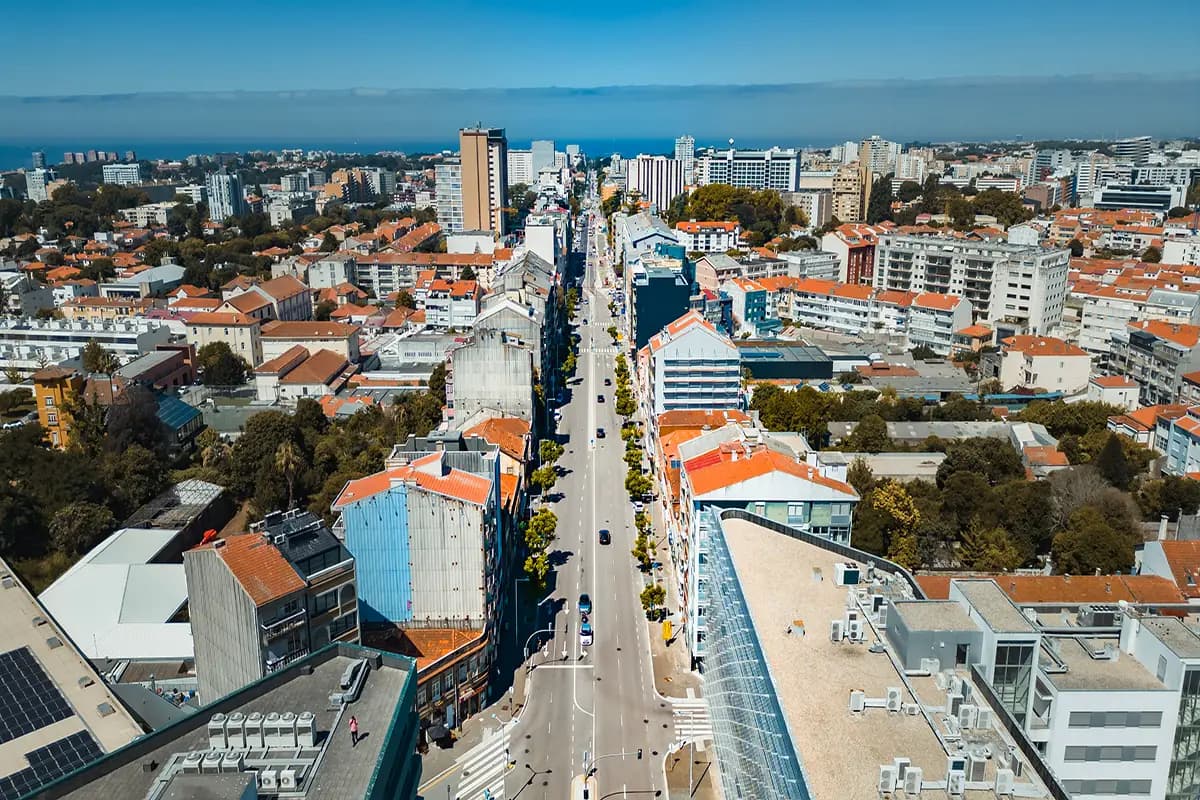
Cedofeita
Cedofeita is one of Porto’s most dynamic neighbourhoods, known for its creative energy and central location.
Popular with younger residents, artists and remote workers, the area offers a mix of renovated apartments, independent shops, galleries and cafés.
Living in Cedofeita allows for a highly walkable lifestyle, with easy access to the city centre, cultural venues and nightlife, while still maintaining a strong local character.
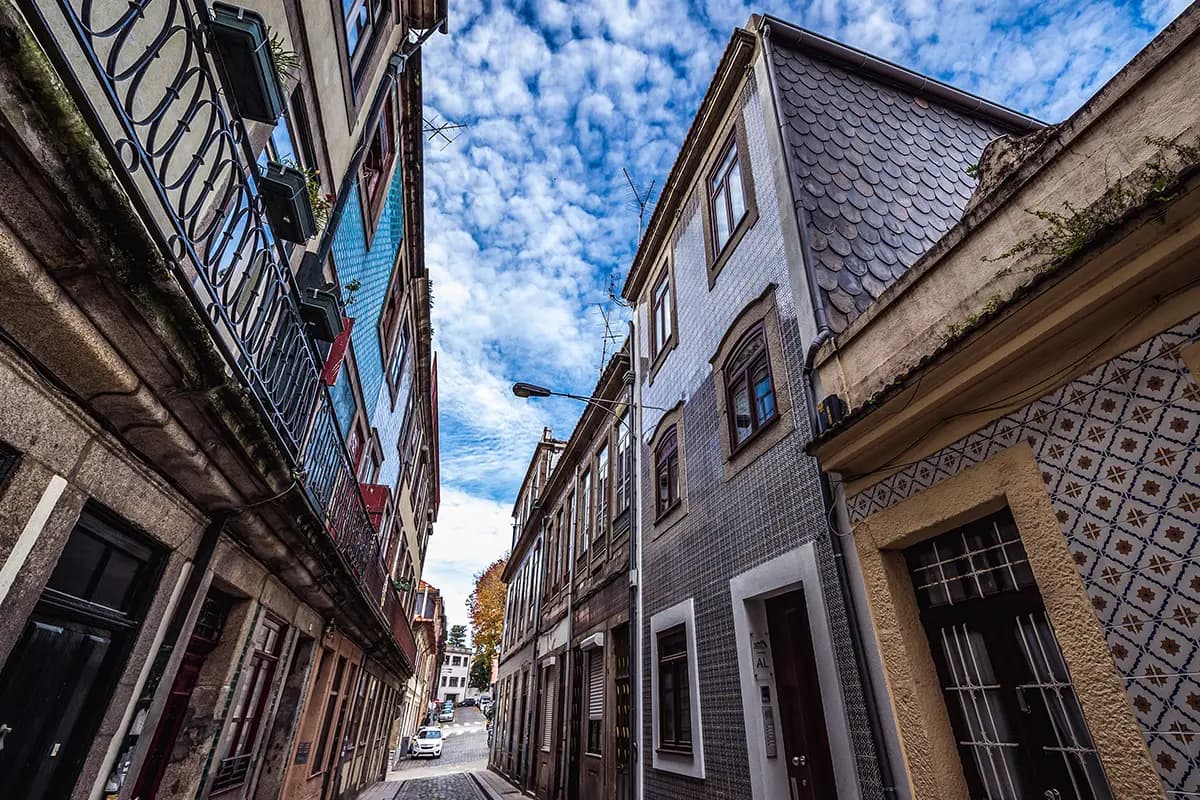
Ribeira
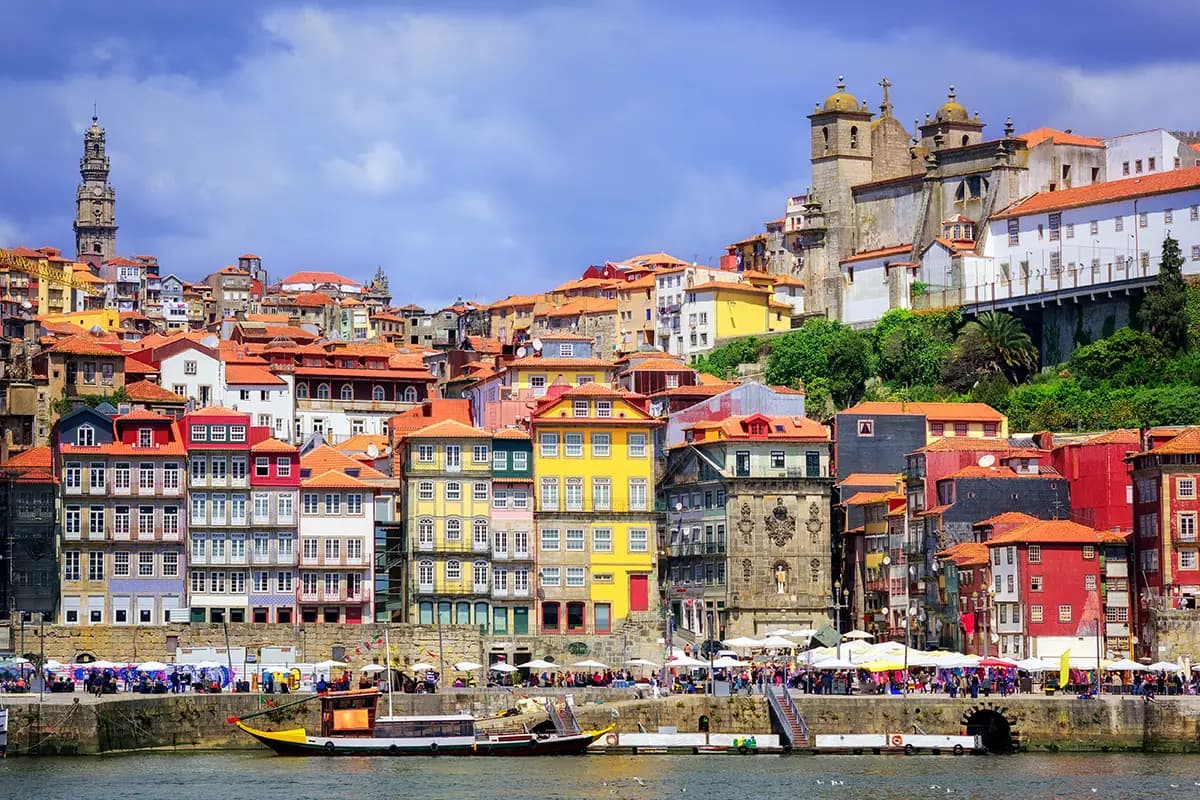
Ribeira is Porto’s historic heart and one of its most recognisable districts.
With its narrow streets, riverside views and traditional architecture, it offers a unique living experience for those who prioritise atmosphere and proximity to cultural landmarks.
However, due to high tourist activity, Ribeira might feel busy during peak seasons.
Many residents choose to live nearby rather than directly within the district, enjoying its charm while avoiding daily congestion.
Paranhos
Paranhos is an increasingly popular option for those seeking affordability and strong transport connections. Home to several universities and hospitals, it attracts students, young professionals and long-term residents alike.
Property prices in Paranhos tend to be more accessible, and the area offers excellent metro links, making it a practical choice for commuting and investing opportunities.
Vila Nova de Gaia
Located just across the Douro River, Vila Nova de Gaia is often considered by those who want more space while remaining closely connected to Porto.
This area offers a wide range of properties, from apartments with river views to family homes in quieter residential zones.
Gaia provides easy access to Porto’s city centre, beaches and major transport routes, making it particularly appealing to families and buyers seeking better value for money.
Cost of Living in Porto

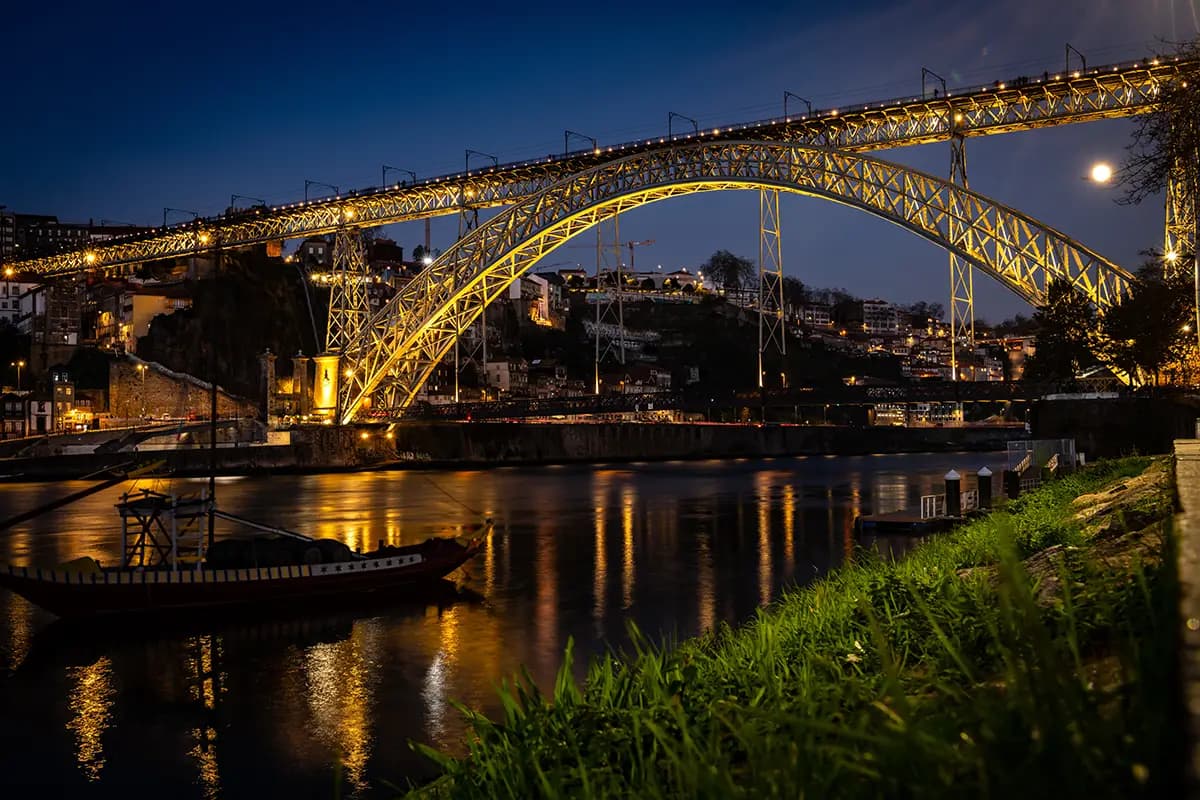
The cost of living in Porto is generally lower than in Lisbon, though it has increased steadily in recent years as demand for housing and services has grown.
Even so, the city continues to offer a favourable balance between everyday expenses and quality of life, particularly when compared to larger Western European cities.
Housing remains the most significant cost, with rental and purchase prices varying widely depending on location, property size and proximity to the city centre or coastline.
Neighbourhoods outside the historic core often provide better value, while still benefiting from good transport connections and local amenities.
Day-to-day expenses such as groceries, public transport and dining out remain relatively affordable.
Many residents find that local markets, neighbourhood cafés and public services help keep monthly costs predictable and manageable.
According to data from Numbeo, a crowd-sourced global database that focuses on city-specific cost-of-living data, the estimated monthly costs for a family of four are €2,452, and the estimated monthly costs for a single person are €678.2, excluding rent.
While Porto is no longer considered “cheap” it continues to offer a great value for money, especially for those earning foreign income or relocating from larger capitals.
International Schools in Porto
Families relocating to Porto will find a growing selection of international schools, offering curricula such as British, French, and International Baccalaureate programmes.
Most international schools are located in and around Porto’s residential areas and neighbouring municipalities, making them accessible for families living both in the city and its outskirts.
Some examples include:

Buying Property in Porto
Porto’s property market has seen steady growth, driven by both domestic demand and international interest.
While prices vary considerably by location, there are still opportunities for buyers seeking primary residences, investment properties or long-term rentals.
Central and coastal neighbourhoods tend to command higher prices, while emerging areas offer more competitive entry points. Understanding zoning, property types and long-term potential is essential when buying in Porto.
Portugal Homes supports clients throughout the entire buying process, from property search to legal guidance.
Public Transport in Porto
Porto benefits from a reliable and easy to use public transport system.
The metro network connects key residential areas to the city centre, airport, and neighbouring municipalities, while buses and trains complement daily commuting.
Many residents comfortably live without cars, particularly within central districts. For those who do drive, access to major motorways makes travel across northern Portugal straightforward.
Healthcare in Porto
Healthcare in Porto is both accessible and well regarded.
Residents can choose between the public healthcare system and a wide network of private hospitals and clinics.
Many expats opt for private healthcare due to shorter wait times and broader language options, though public healthcare remains a reliable and cost-effective alternative.

Expat Communities in Porto
Porto has a steadily growing international community, though it remains less saturated than Lisbon.
This allows for easier integration into local life while still offering social networks for newcomers.
Language learning, community events and shared spaces help bridge cultural gaps, and many expats find it easy to build meaningful connections with both locals and fellow internationals.
Living in Porto often feels less like joining an expat enclave and more like becoming part of a functioning city.

Ready to Move to Porto?
For those considering a move to Portugal, whether for work, family life, or a change of pace altogether, living in Porto represents a middle ground.
The city is large enough to offer professional opportunities, reliable infrastructure, and cultural variety, yet compact enough to feel navigable and personal. It means settling into a city that feels lived-in, welcoming, and refreshingly human in scale.




Talk to one of our Real Estate Experts
Portugal Homes
Get the best property advice.