Article

Portugal Homes
Get the best property advice.
When thinking of Portugal, many are instantly transported to images of clear blue skies, pristine white-sand beaches, and a warm, inviting climate.
With more than 300 days of sunshine per year, Portugal’s appealing weather is undeniably one of its greatest attractions.
However, Portugal does have a winter season, so if you're planning to visit during the low season, here's what you should know.
Winter in Portugal: The Basics
Winter in Portugal typically runs from December to March.
While noticeably cooler, it is far milder than winters in most Northern European countries, with average temperatures hovering around 8°C (46.4°F).
Rather than harsh cold, you can expect the typical winter tropes, like less daylight, more rain - but the key difference is that despite the cold and the rain, the winter weather in Portugal is still fairly pleasant, especially with the clear skies in January, and being able to feel the sun on your skin.
It's a season that remains comfortable and perfectly suited for everyday life.
Read More:
Christmas Markets in Portugal
Things to do in Winter in Portugal: Best Places to Stay & Visit
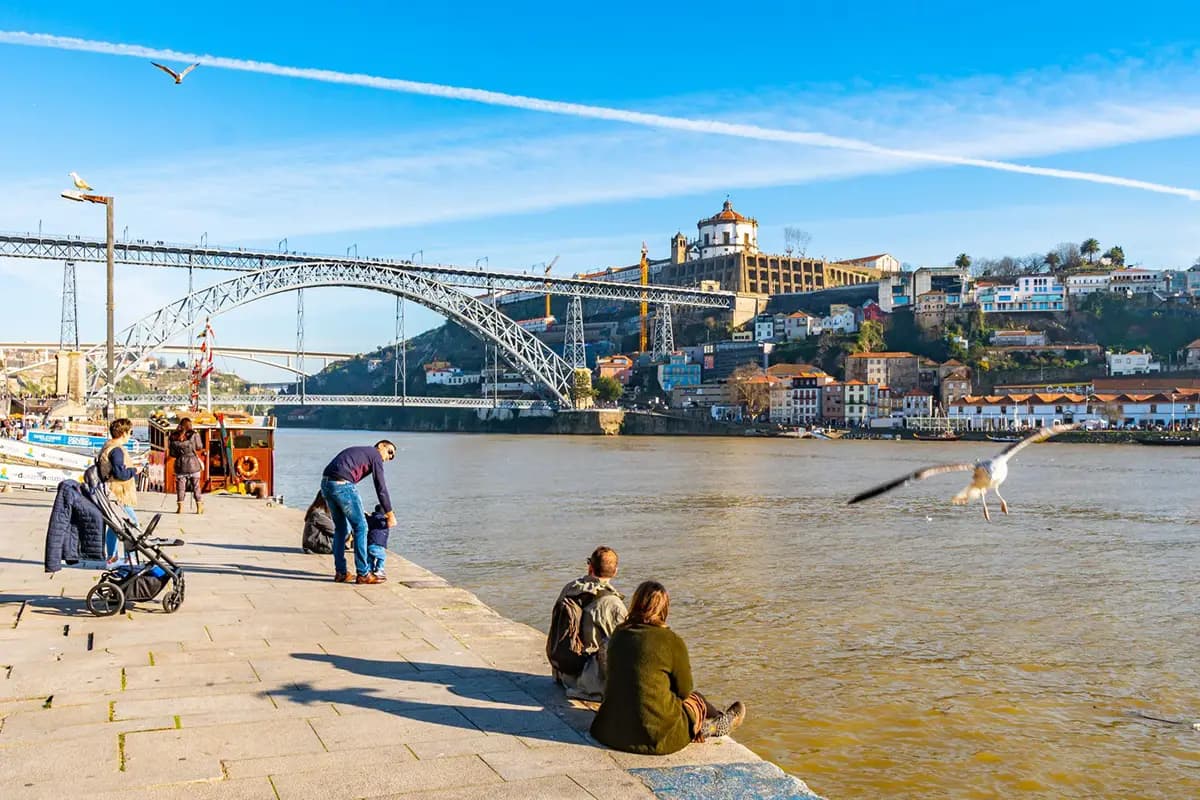
Winter Weather in Portugal: Does it Snow?
Located at the westernmost point of mainland Europe, Portugal enjoys a mild and pleasant climate year-round.
Average annual temperatures generally range between 5°C (41°F) and 27°C (80.6°F), with winter lows rarely dropping below 1°C (33.8°F) and summer highs seldom exceeding 33°C (91.4°F).
But yes! Despite the comfortable year-round temperatures, it still snows in Portugal.
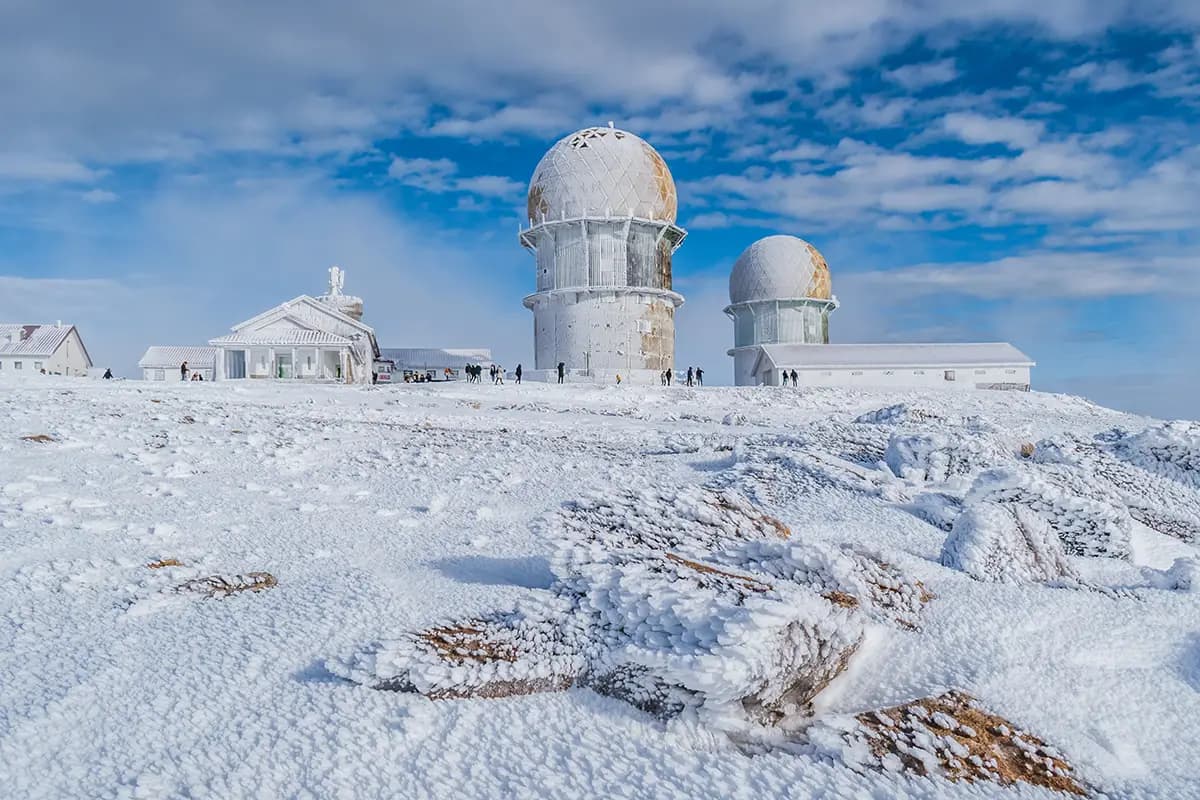
Snowfall is commonly seen in Northern Portugal, especially in Guimarães and Braga, where the minimum average temperatures in February are around at 2.4 ºC (36.32°F).
However, it's in Serra da Estrela, pictured above, where you'll find the depth of Portugal's winter.
In this area, the temperatures at night can easily get below 0ºC (32ºF), with the minimum average temperature for both January and February standing at 1.7 ºC (35.06°F).
At the mountain's highest point, nearly 2 thousand metres high, visitors can have fun at the ski station where the practice of the winter sport is celebrated by its enthusiasts.
The location is called Torre da Serra (due to its two observatory towers) and it is a famous touristic destination for those looking for a cold adventure.
The ski resort offers a variety of winter sports, as well as a cable car connecting the lower areas of the mountain to the summit.
Visitors can also explore local markets featuring traditional and artisanal products from the region.
Overall, while snow is not common across most of Portugal, those seeking a true winter experience can certainly find it in the country’s higher elevations.
Winter Weather in the Algarve: Is It Cold?
As a general rule, the further south you go in Portugal, the warmer the climate becomes, even during the winter.
For those looking to escape colder environments, the Algarve region stands out as the warmest option.
There, temperatures typically range from around 12°C (53.6°F) in winter to 30°C (86°F) in summer, offering you a decent chance of seeing the sun more often than not.
The Algarve is renowned for its warm climate and spectacular beaches, having been recognised several times as the world's leading beach destination.
While these beaches are at their most inviting during the summer months, the region remains appealing throughout the winter for different reasons.

Winter Weather in Lisbon
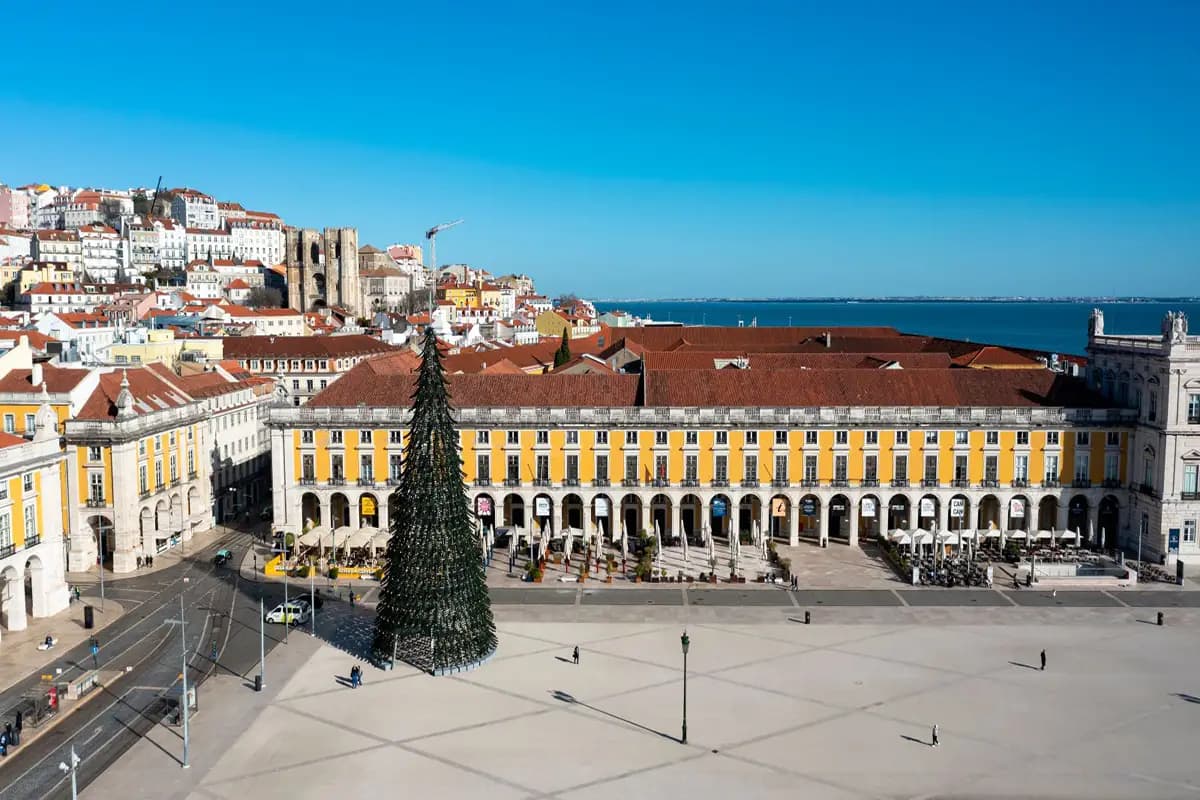
Lisbon's cooler than the Algarve, but that doesn't mean any less daylight. The sun's presence brings a noticeable rise temperature, with averages always in the double digits.
It's not unusual to experience up to 20°C (68°F) during the day.
It's still going to rain, and the skies are going to grey over, but in between those cloudy days, the sun will break through, and you'll see the blue again.
Winter Weather in Porto
Porto sits further north, so winter feels a little more pronounced there than in Lisbon or the Algarve. That said, “pronounced” in Portugal still means relatively mild by most European standards.
During the winter months, temperatures in Porto typically range between 5°C (41°F) at night and 15°C (59°F) during the day.
On brighter days, especially when the sun breaks through the Atlantic clouds, it can feel noticeably warmer, particularly along the riverfront in Ribeira or by the sea in Foz do Douro.
Rain is more frequent in Porto. The city’s proximity to the Atlantic gives it a greener landscape and a slightly wetter winter.
You can expect stretches of grey skies and steady rainfall, particularly between November and February. But just like in the rest of Portugal, heavy downpours rarely linger for days on end. Stormy mornings often give way to unexpectedly bright afternoons.
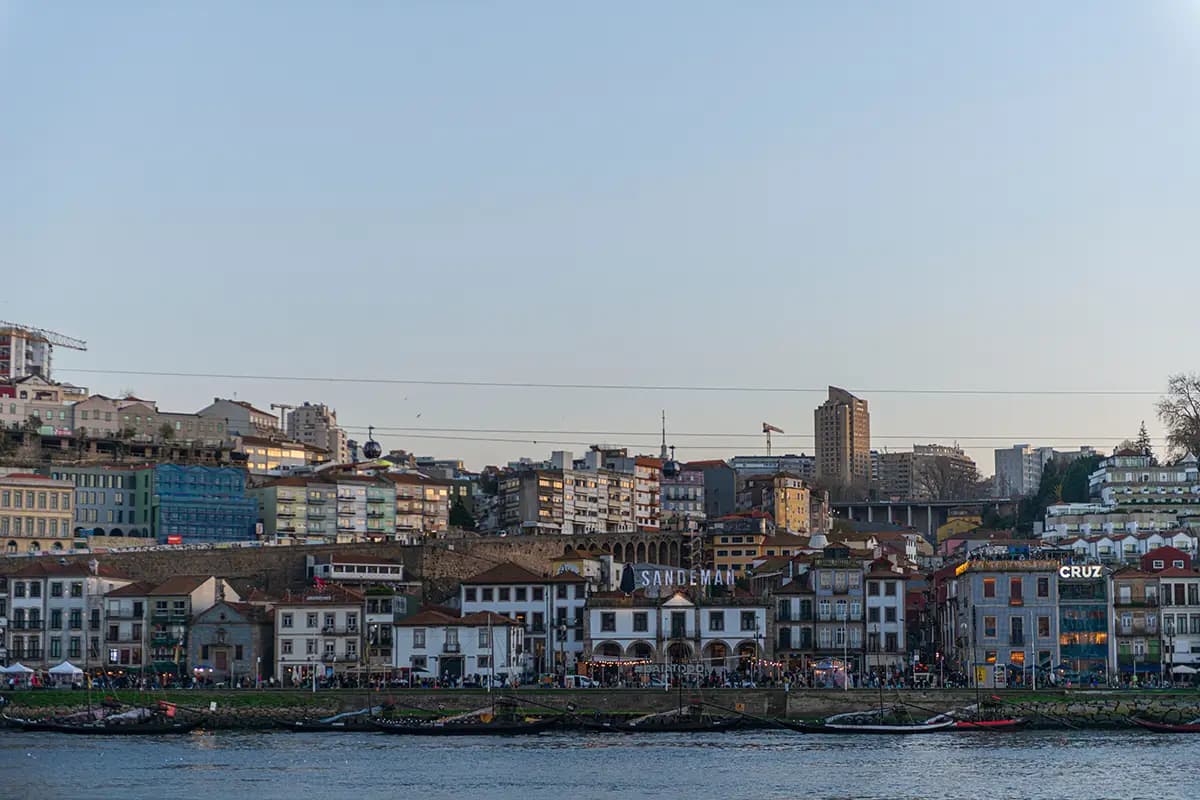
What Porto may lack in winter beach weather, it makes up for in atmosphere. The city takes on a different character in the colder months.
Cafés feel cosier, restaurants hum with life, and the historic centre, with its granite buildings and narrow streets, creates pockets of shelter from the wind.
Snow in Porto is extremely rare. While temperatures can dip close to freezing on colder nights, snowfall in the city itself is almost unheard of, typically limited to higher elevations further inland.
Winter in Porto is less about sunbathing and more about slow walks along the Douro, mist rolling over the bridges, and long lunches that stretch into the afternoon.
It’s cooler, yes, and often wetter, but still comfortably mild, with enough clear days in between to remind you that you’re in Portugal.
Read More:
Living in Porto: The Ultimate Guide for Expats & Foreigners
Is Portugal a hot or cold country?
Portugal is widely regarded as one of the warmest countries in Europe, alongside Mediterranean destinations.
Even during winter, temperatures remain mild and far from the extremes experienced in Northern European countries.
While some mountainous regions, such as Serra da Estrela, can see snowfall during the coldest months, much of the country enjoys pleasant weather year-round.
One of Portugal’s greatest climate advantages is that even on the coldest winter days, when average temperatures range between 0°C and 10°C (32°F–50°F), clear blue skies are still common.
This sets Portugal apart from many other European countries, where winter often brings prolonged grey skies and heavy cold. The result is a more enjoyable environment and a noticeable boost in quality of life for residents.
A Portuguese winter is generally comfortable and easy to adapt to, there’s no need for heavy winter coats or snow gear. Instead, pack the essentials: a light jacket, a pair of sunglasses, and perhaps an umbrella for the occasional rainy day.
If you’re eager to explore what each season in Portugal has to offer, Portugal Homes has you covered. Discover our detailed guides on Spring, Summer, Autumn, and Winter in Portugal by simply selecting the season that piques your interest.
Portugal Homes
Get the best property advice.